IDEAL Lab
Intelligent Decarbonization for Energy Access and Reliability
Grid intelligence for reliable, affordable clean electricity.
The IDEAL Lab develops optimization, trustworthy artificial intelligence, dynamics, and cyber-physical modeling methods for renewable-rich power systems. Led by Dr. Xin Fang at the University of South Carolina, the lab connects rigorous power-system theory with data-driven tools for planning, operating, and securing the future electric grid.
AI-Enabled Power Systems
Trustworthy AI grounded in grid physics.
Our research combines power-system models with machine learning, scalable computing, and data-driven methods for stability assessment, planning, operations, and digital twins. NSF-funded projects advance both workforce development for trustworthy AI-enabled grids and scalable optimization that embeds multiscale inverter-based-resource frequency stability directly into grid operations.
Research Focus
Optimization and Markets
Planning and dispatch methods for high-renewable systems, electricity market design, capacity expansion, and stability-aware economic operation.
Dynamics and Stability
Frequency response, small-signal stability, machine-learning-assisted stability assessment, virtual inertia, inverter-based resources, and analytical constraints that bridge dynamics with operations.
Grid Planning with Renewables
Capacity expansion, transmission planning, and resource adequacy methods that help renewable-rich grids meet reliability, resilience, and decarbonization goals.
Cyber-Physical Co-Simulation
Transmission-and-distribution co-simulation, AI-enabled grid analytics, distributed energy resource integration, electric transportation, and scalable grid digital twins.
Recent Highlights
- August 2026. NSF awarded $571,614 to develop parallel AC optimal-power-flow methods for multiscale frequency-stability-constrained operation of inverter-rich power grids.
- July 2026. NSF funded the PowerCyber Implementation project to scale workforce development and research infrastructure for trustworthy AI-enabled power grids.
- March 2026. The lab's paper on analytical small-signal stability analysis for low-inertia power systems was accepted by Electric Power Systems Research.
- February 2026. Work on distributed optimization and control for autonomous DER dispatch and frequency regulation was accepted by Sustainable Energy, Grids and Networks.
- January 2026. The paper on frequency nadir constrained unit commitment for island power systems was selected as one of two best papers in IEEE Open Access Journal of Power and Energy in 2025.
- August 2025. Dr. Fang joined the University of South Carolina Department of Electrical Engineering.
About Dr. Fang
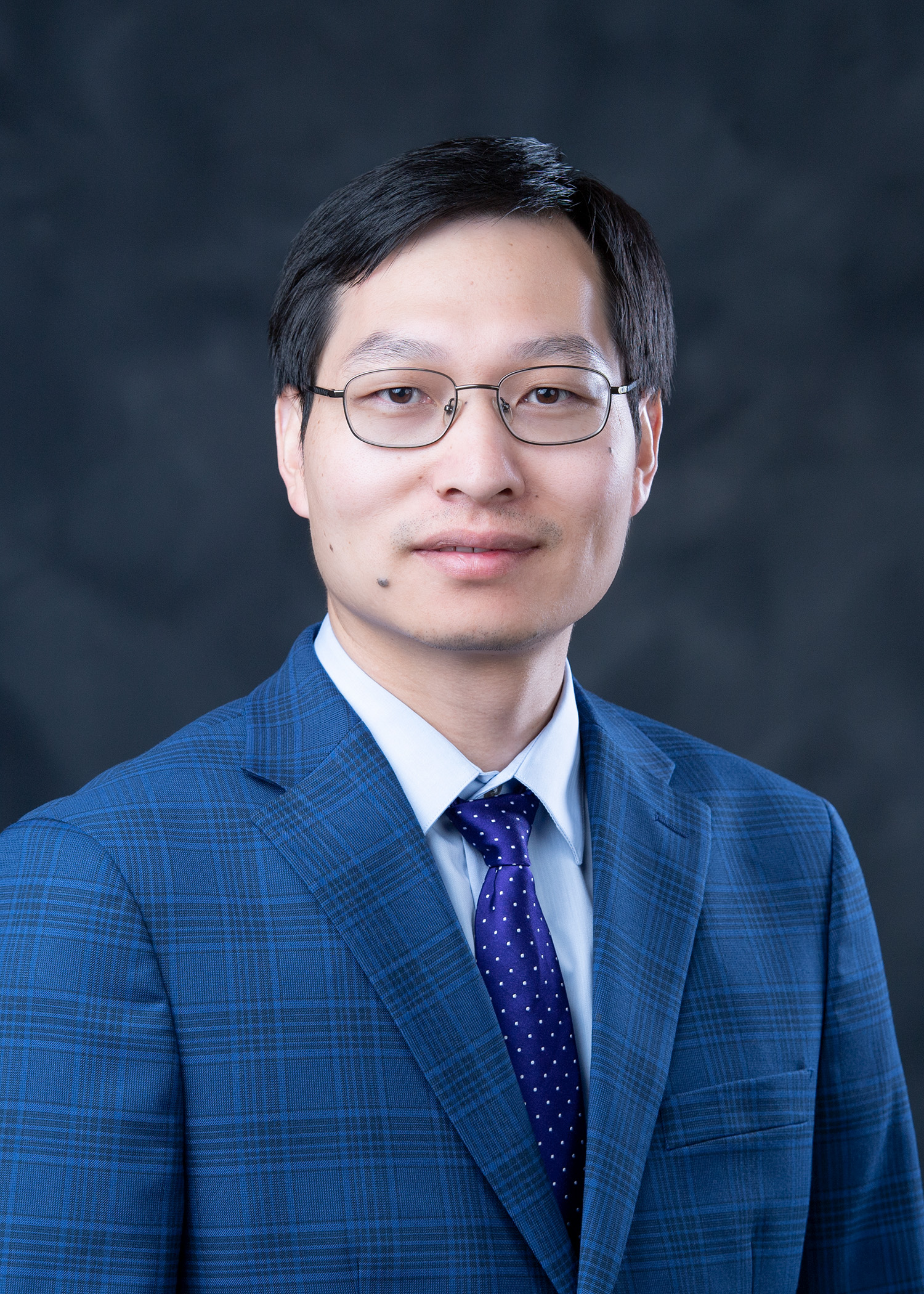
Xin Fang is an Assistant Professor in the Department of Electrical Engineering at the University of South Carolina. From 2022 to 2025, he was an Assistant Professor in the Department of Electrical and Computer Engineering at Mississippi State University. Before that, he was a senior researcher at the U.S. Department of Energy’s National Renewable Energy Laboratory (NREL) in Golden, Colorado, from 2017 to 2022. He received his Ph.D. in Electrical Engineering from the University of Tennessee, Knoxville, in 2016.
Dr. Fang has published more than 50 journal papers in venues including IEEE Transactions on Power Systems, IEEE Transactions on Sustainable Energy, Applied Energy, and International Journal of Electrical Power and Energy Systems. He serves as an Associate Editor for IEEE Transactions on Sustainable Energy and the Journal of Modern Power Systems and Clean Energy, and he served as an Associate Editor for IEEE Transactions on Power Systems from 2020 to 2023. He is a Senior Member of the IEEE.
Joining The Lab
Prospective Ph.D. students interested in trustworthy AI for power systems, optimization, dynamics, transmission and distribution co-simulation, grid resilience, and electric-grid/transportation co-simulation are encouraged to contact Dr. Fang. A master’s degree is preferred for Ph.D. applicants.